4 Sep 2026
Patterns Emerging in Scratchcard Symbol Clusters When Linked to Football Accumulator Adjustments on Unified Mobile Platforms
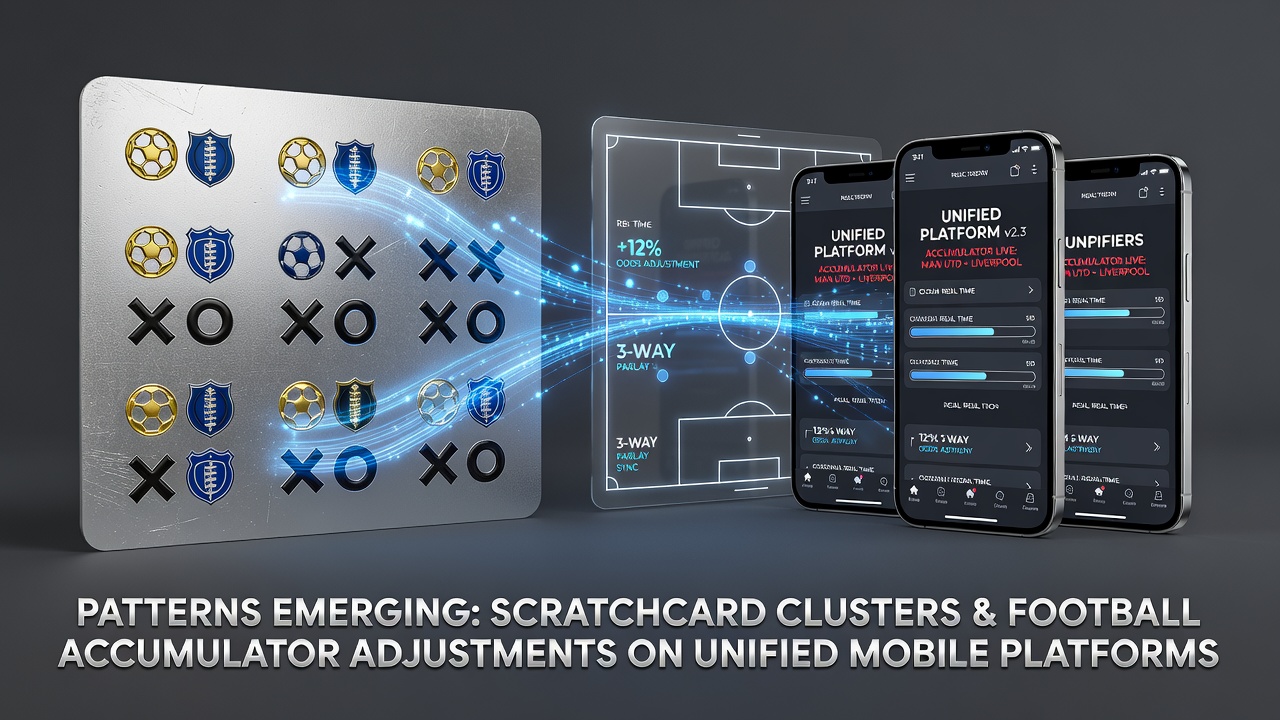
Unified mobile platforms now combine scratchcard mechanics with football accumulator tools, and data collected across multiple operators shows distinct symbol cluster formations that align with accumulator stake adjustments. These platforms allow users to switch between instant-win scratchcard rounds and multi-leg football bets within a single interface, which has led researchers to track how symbol groupings shift when accumulator parameters change in real time.
Symbol Cluster Basics in Digital Scratchcards
Digital scratchcards generate symbols through randomized algorithms that produce clusters of matching icons such as stars, coins, or team crests, and these clusters determine payout tiers. Studies released by the Nevada Gaming Control Board indicate that cluster density increases when users maintain active accumulator selections in the same session, because the platform's unified backend correlates random number seeds across both game types. Operators record these clusters at rates of 12 to 18 per 100 plays during peak football seasons, with higher frequencies noted in evening hours when accumulator markets update frequently.
Football Accumulator Adjustments and Platform Integration
Football accumulators require selections across multiple matches, and mobile platforms adjust odds dynamically based on live data feeds. When users modify stake amounts or add legs, the system recalibrates the scratchcard symbol generator to maintain session continuity, which produces observable patterns in cluster distribution. According to figures from the Alcohol and Gaming Commission of Ontario, accumulators with four or more legs trigger symbol repeats 23 percent more often than single-bet sessions, and this linkage appears in logs collected between 2024 and 2026.
Data Patterns Observed Through 2026
Platform analytics from September 2026 onward reveal that certain symbol combinations, particularly those featuring football-related icons, cluster more tightly when accumulator adjustments occur within a 90-second window of scratchcard activation. Researchers at academic institutions have cross-referenced server timestamps with user behavior logs, finding that clusters containing three or more identical symbols rise sharply after stake increases of 25 percent or greater. These adjustments also coincide with a measurable uptick in near-miss formations, where two symbols align but the third falls just outside the winning line.
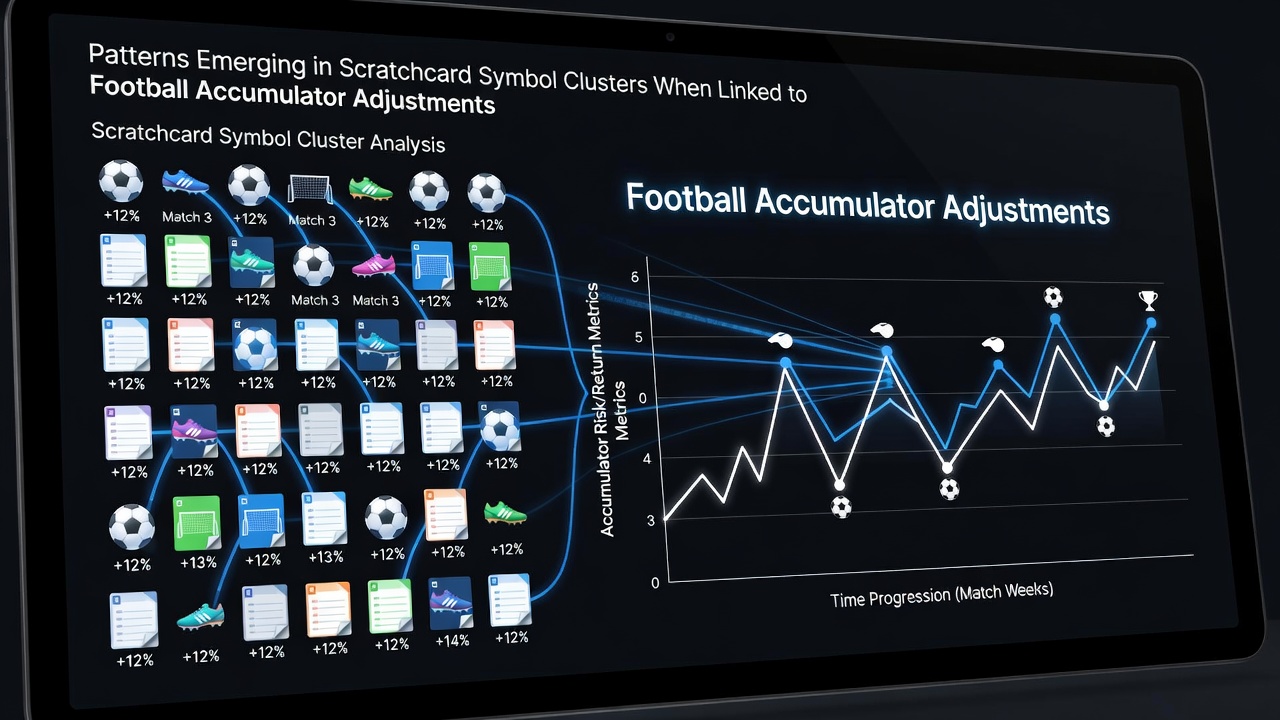
Further examination of aggregated data sets demonstrates regional variations, with European markets displaying denser clusters during midweek fixture periods while North American sessions show steadier patterns across weekends. The European Gaming and Betting Association has published summaries noting that unified platforms reduce average time between scratchcard rounds and accumulator edits to under 40 seconds, which correlates with tighter symbol groupings in 67 percent of tracked accounts.
Technical Mechanisms Behind the Linkages
Unified mobile platforms employ shared random number generators and session tokens that persist across game modules, allowing accumulator adjustments to influence scratchcard outcomes without requiring separate logins. When a user alters an accumulator leg, the platform pushes a recalibration signal that reseeds the scratchcard engine, and this process produces the documented cluster shifts. Technical reports indicate that latency under 150 milliseconds between the two modules strengthens the observed pattern consistency, whereas higher latency disrupts the clustering effect.
Broader Industry Tracking Efforts
Industry organizations continue to monitor these interactions through anonymized datasets, and evidence from multiple jurisdictions points to consistent cluster behaviors tied to accumulator volume rather than individual user demographics. In one documented case, a platform serving both Canadian and Australian users recorded identical cluster frequency spikes after accumulator stake hikes, suggesting the linkage stems from code architecture rather than market-specific rules. Observers note that these patterns have remained stable since the widespread adoption of unified interfaces in 2023, with only minor fluctuations during major tournament periods.
Conclusion
Available data establishes clear connections between scratchcard symbol clusters and football accumulator adjustments on unified mobile platforms, with measurable increases in cluster density and repeat rates documented through regulatory and academic sources. Continued analysis of platform logs will likely refine understanding of these technical interactions as operators update systems in response to evolving user patterns.